 Back
Back
Adapting to drought by restoring forests
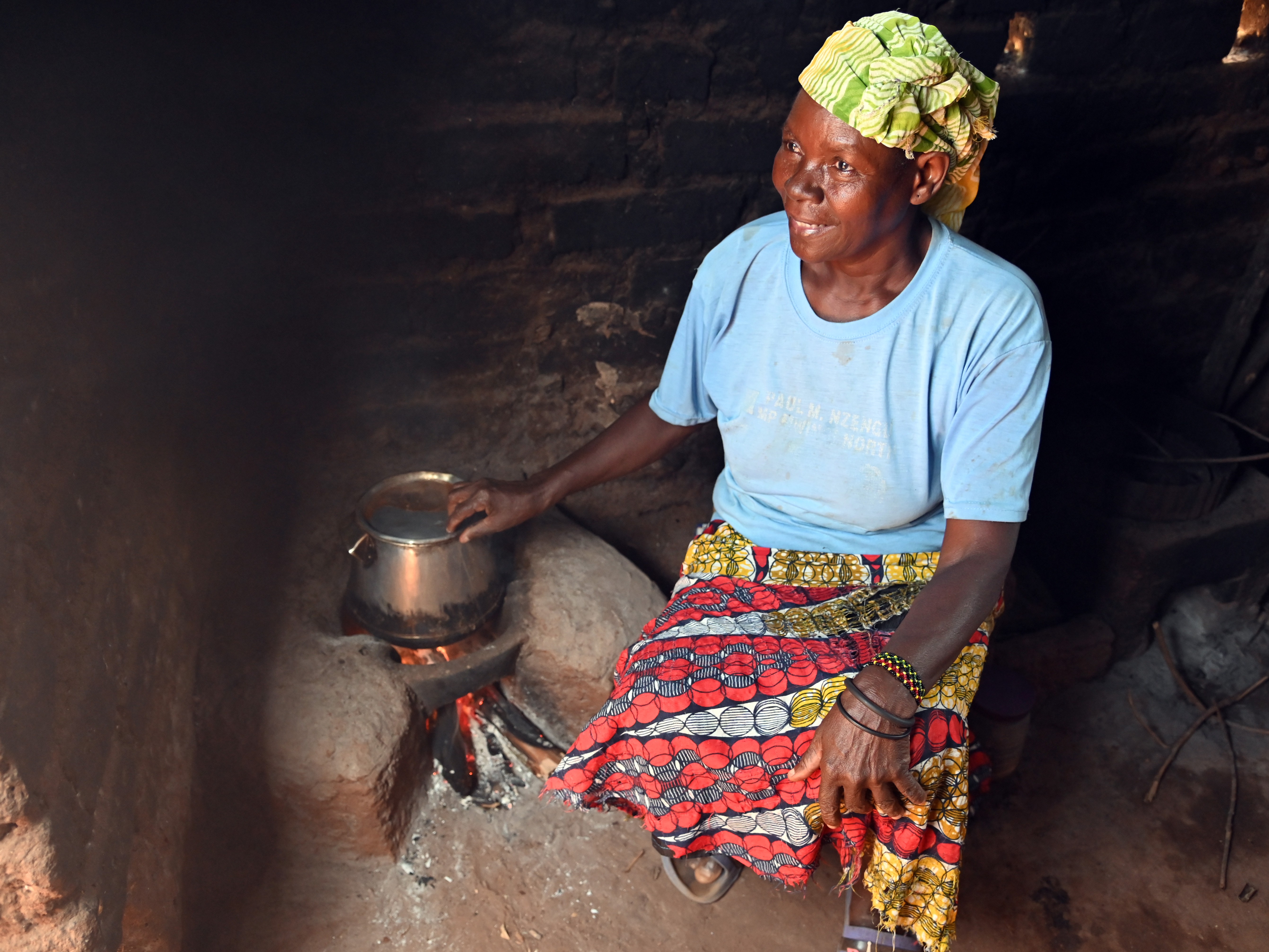
A beneficiary of energy-saving cookstove in Mumoni. Credit - John Mwacharo.
Building resilience from the ground up in
Kenya’s drylands
In the semi-arid Kitui County, in Kenya’s south-east, climate change is not an abstract threat – it is a daily reality. Prolonged droughts and erratic rainfall have long undermined livelihoods in a region where 82% of households depend on rain-fed agriculture. Mutitu and Mumoni, two hilltop dryland forests in this area, are Key Biodiversity Areas (KBAs) whose health is inseparable from the wellbeing of the communities living alongside them. A project led by Nature Kenya is working to change that, strengthening both the forests and the people who depend on them.
The project began by listening. Farmers and community forest association members identified their own priorities: drought-tolerant crops such as cowpeas, green grams (also known as mung beans), millet, and sorghum; honey production; and fruit trees. County agriculture officers trained farmers in climate-smart practices, while local beekeepers received support to establish modern apiaries. A private investor, African Beekeepers Limited, joined under a signed memorandum of understanding to provide market links and technical support, turning beekeeping into a genuine income stream with the potential to raise household earnings by at least 10%.
The results have been encouraging. During the long rains (from March to May) around 160 out of 196 farmers harvested an average of 36 kg of green gram each – a meaningful improvement on previous seasons despite poor rainfall. In the short rains (October and November), 300 farmers received certified drought-resistant green gram and cowpea seed to further broaden their crop base, selling 70% of their harvest for immediate income while retaining reserves for food security.
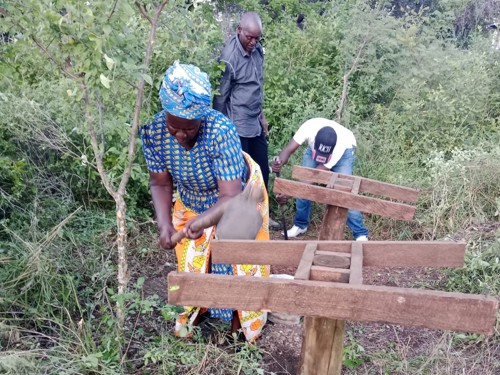
Reducing pressure on the forests has been equally important. Over 90% of rural households near Mutitu and Mumoni rely on firewood as their primary cooking fuel, placing the forests under unsustainable strain. In January 2025, 1,000 households received energy-saving jiko (cookstove) liners, designed to cut firewood consumption by at least 30%. A follow-up survey confirmed widespread adoption, with families reporting less firewood use, shorter cooking times, and improved indoor air quality. Early adopters were engaged as peer educators to encourage further uptake, with beneficiaries pledging support for forest restoration and protection. Use of the jiko liners has also freed up meaningful time for women and girls, the primary firewood collectors, to put towards other priorities.
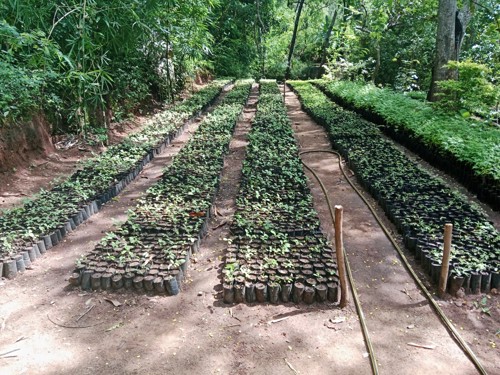
Restoration is also under way. In 2025, tree nurseries produced over 100,000 seedlings of Indigenous tree species, including Croton megalocarpus and Acacia tortilis, planted across at least 100 ha of the two state forests during the long rains. Community members participated in a survival rate assessment of the planted seedlings, recording a 70% success rate, and lost seedlings were replaced during the short rains.
At the policy level, consultant experts worked alongside government agencies and communities to assess the ecosystem services provided by the natural forests, with findings now informing Kitui County’s forestry legislation. In parallel, the Kenya Forestry Research Institute conducted social and ecological studies to support the development of participatory forest management plans (PFMPs) for Mutitu and Mumoni. Developed with the Kenya Forest Service, Kitui County Government, and community forest associations, the PFMPs provide a legal framework for sustainable forest conservation and use, integrating restoration and livelihood programmes. Crucially, they will also formalise community participation in the protection, restoration, and long-term stewardship of the forests. This will reduce dependence on forest resources whilst strengthening climate resilience for both ecosystems and the people who depend on them.
The remaining challenges are that prolonged droughts disrupt planting seasons and slow progress. But integrating sustainable livelihoods, forest restoration, and improved governance into a single coherent approach offers a durable foundation for communities and ecosystems to adapt together.
Written by James Mutunga Joshua. For more information on this Darwin Initiative Main project 31-018, led by Nature Kenya, click here.