 Back
Back
Safeguarding water and wellbeing
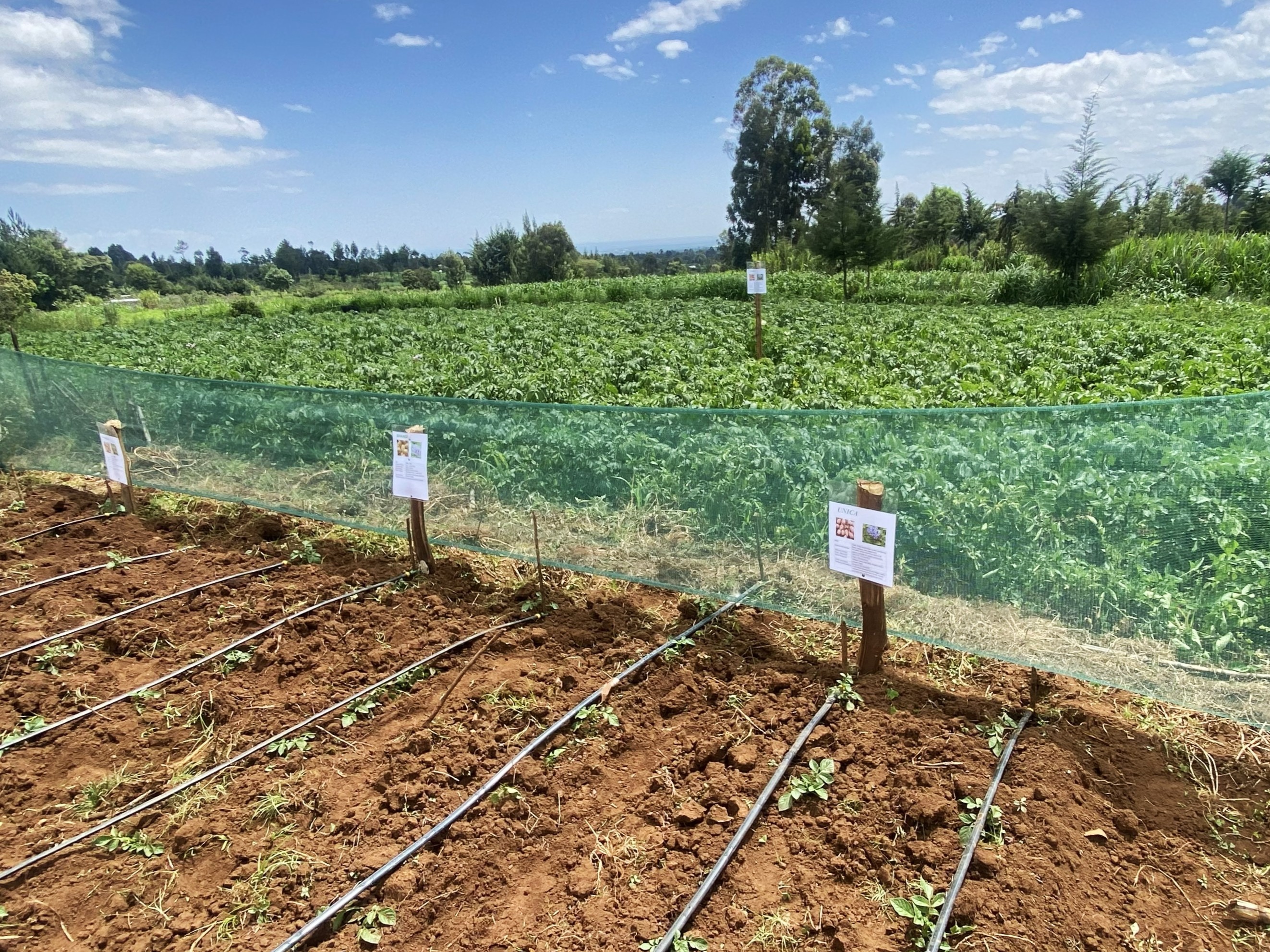
Climate Smart Agriculture demonstration site. Credit - Fauna & Flora.
Building climate resilience in the Upper Ewaso Ng’iro North Ecosystem
From the montane forests of Mount Kenya, to the dry rangelands of Laikipia, communities across the Upper Ewaso Ng’iro North Ecosystem are taking ambitious steps to adapt to a rapidly changing climate. Through the project ‘Increasing Ecological and Socio-economic Resilience of the Upper Ewaso Ng’iro Ecosystem’, partners are restoring critical habitats, improving water security, and supporting local livelihoods to thrive under increasing climate pressure.
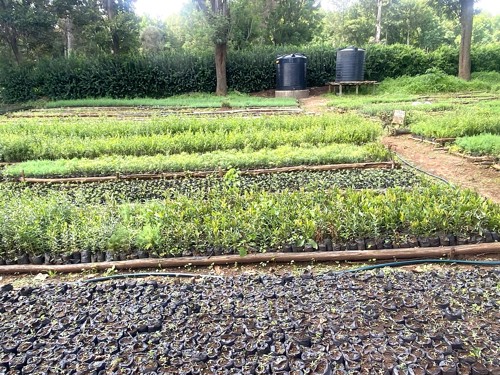
A major achievement of the project has been the restoration of degraded forest within the Mount Kenya catchment, an essential water tower for wildlife, communities, and downstream pastoralists. In just two years, project partners have planted over 507,000 indigenous tree seedlings across 370 ha, reaching the project’s five-year restoration target years ahead of schedule. To boost seedling production and community resilience, 366 members from 21 tree groups have been trained and equipped in nursery establishment and management. To safeguard these gains, 102 community fire scouts, including 29 women, have been trained and equipped to respond to forest fires, strengthening frontline protection across more than 7,000 ha. Early results show reduced fire damage and improved coordination between Community Forest Associations (CFAs) and government agencies.
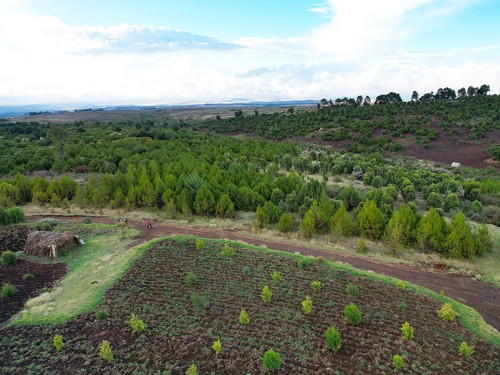
Across conservancies in Laikipia, rangeland restoration is helping reverse degradation caused by erosion, invasive species, and drought. Partners have cleared the succulent shrub Opuntia stricta, reshaped gullies, and reseeded over 65 ha with indigenous grasses. Wildlife monitoring indicates early returns of species such as Grevy’s zebra and gazelles in restored areas, signs that healthier rangelands can support both biodiversity and pastoralist livelihoods.
Households are embracing low carbon technologies that reduce pressure on natural resources. A total of 1,065 energy saving stoves have been installed, cutting fuelwood use nearly by 40%. The initiative has also created new economic opportunities. For example, youth trained as stove builders have joined local enterprises producing and installing improved cookstoves. Schools are benefiting too, with three biogas units constructed to reduce reliance on firewood and improve learning environments.
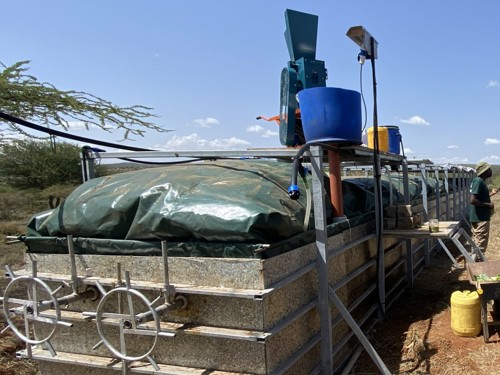
With water scarcity intensifying competition among farmers, pastoralists, and wildlife, the project is investing in shared infrastructure and fair governance. Two common water intakes have been constructed benefiting more communities by ensuring regulated, equitable access. In the rangelands, five water pans (large holes that collect water runoff) are already providing crucial water sources for livestock and wildlife in the dry season. A landscape-wide water sharing plan, informed by hydrological modelling and community consultations, is under development and will guide water allocation as climate pressures increase.
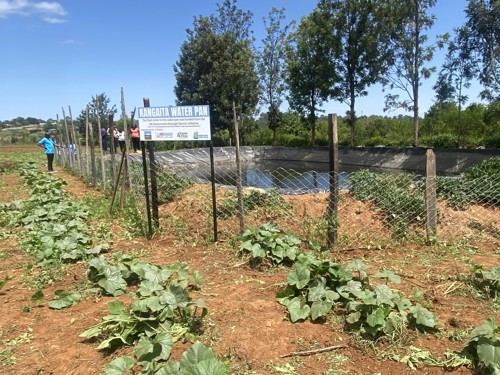
Farmers are adopting climate-smart agriculture to cope with erratic rainfall. More than 1,118 farmers have received training on soil health, drought resilient crops, and water efficient farming, supported by soil tests that help guide crop selection and inform soil management practices. As a result, over 667 ha of farmland are now under climate-smart cultivation, significantly exceeding project targets and improving household food security.
Through microcredits, vocational training, and pastoralist producer groups, communities are building stronger economic foundations. Over 760 households have accessed conservation linked microfinance, while pastoralists participating in the livestock to market scheme have benefited from improved sales, veterinary care, and a revolving fund that continues to grow. Institutions such as CFAs, Water Resource Users Associations (WRUAs), conservancies, and local NGOs are also gaining new skills and tools, ensuring long-term stewardship across the landscape.
The project’s integrated approach - linking restoration, water governance, sustainable livelihoods, and increased community capacity - demonstrates how nature-based solutions can address climate challenges while improving wellbeing. The Upper Ewaso Ng’iro North Ecosystem is now emerging as an example of how communities, conservation partners, and governments can work together to build climate resilience that benefits both people and nature.
Written by J.M. Nzilani, G. Odera, A. Komen, D. Mujumba, J. Kiptum, and D. Ndolo. For more information on this Darwin Initiative Extra project DAREX006, led by Fauna and Flora International (FFI) - UK, click here.