 Back
Back
Financing climate change resilience
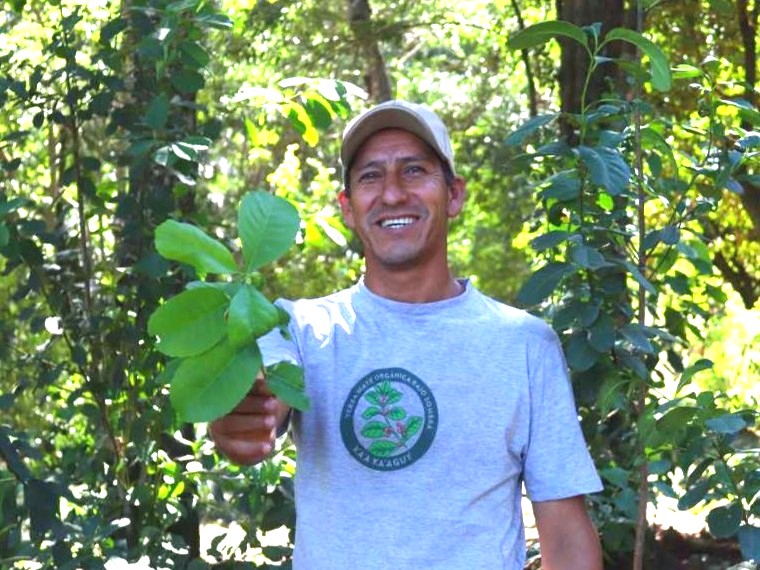
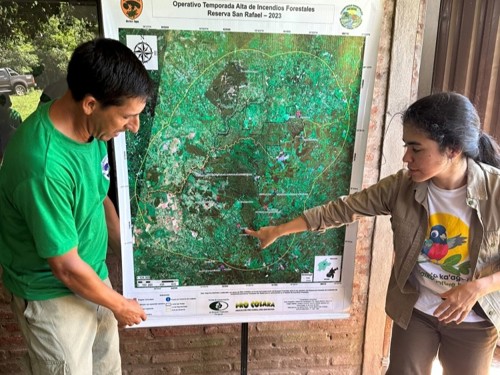
A member of the Guyra Paraguay team demonstrating how Yerba Mate is grown under native forest in San Rafael, Paraguay. Credit – Cindy Galeano.
Climate resilience in action: How the ‘Forest Impact Accelerator’ is helping people and
nature adapt
Climate change is intensifying floods, droughts, heatwaves, and fires. This leads to degraded forest landscapes that negatively impact the biodiversity and communities that depend on them. But globally, BirdLife International Partners are showing how locally led, nature-based solutions can reduce risk and protect livelihoods, helping communities and ecosystems adapt to climate change.
The Forest Impact Accelerator (FIA) was designed precisely for this purpose: to turn promising ideas into investable, durable solutions that strengthen climate resilience, while conserving biodiversity and boosting local livelihoods. This Darwin Initiative Extra project aims to significantly scale up the achievements of the FIA to date.
What is the Forest Impact Accelerator?
BirdLife International’s FIA is like an incubator that supports early stage, locally led Sustainable Finance Initiatives (SFIs). From community enterprises and Payment for Ecosystem Services (PES), to trust funds and high-integrity forest carbon projects, through this project nature conservation and restoration become financially sustainable over the long term.
Supported partners receive tailored technical assistance, seed grants, peer learning, and investor matchmaking. Our current five-year programme is helping 23 SFIs progress, with the aim of 13 reaching full functionality. This project will help target one million ha of Key Biodiversity Areas and benefit more than 200,000 people, of which at least 30% are women. Impact will be tracked through a Forest Impact Dashboard that will integrate local and global data to monitor climate, biodiversity, and social outcomes.
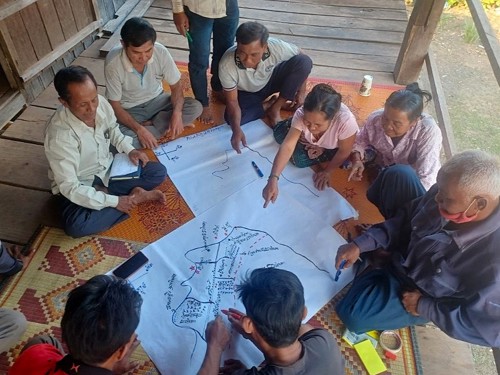
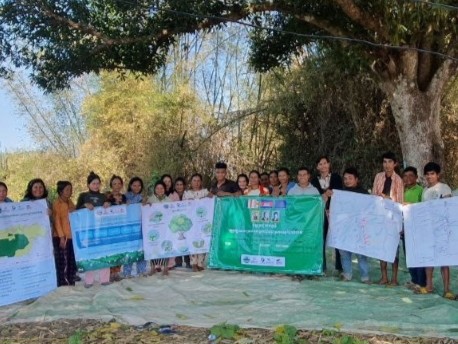
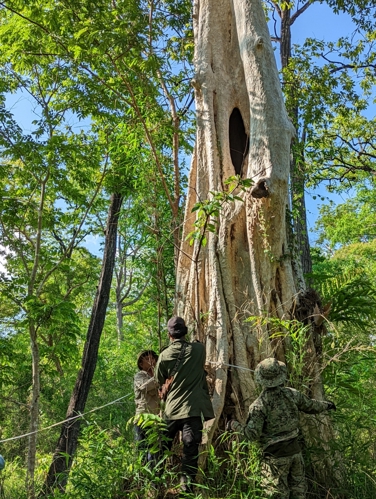
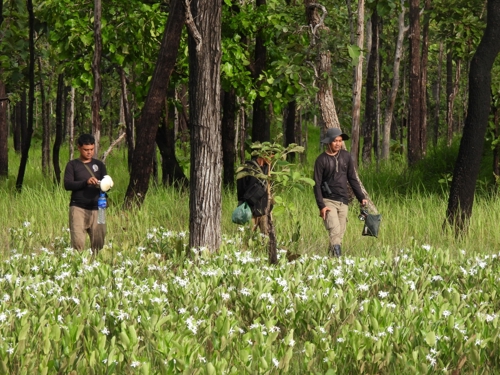 A team from NatureLife Cambodia conducts biodiversity surveys in order to achieve Climate, Community, and Biodiversity (CCB) certification for the REDD+ project in Lomphat Wildlife Sanctuary.
 Credit – Lahiru Wijedasa.
- Nigerian Conservation Foundation – Omo Forest Reserve: weaving together non-timber forest product (NTFP) enterprises, carbon projects, and watershed PES to protect headwaters, slow erosion, and diversify incomes so farmers are less exposed to climate shocks.
- Asociación Armonía (Bolivia) – Tunari National Park: establishing a mixed trust fund and PES mechanisms to restore high Andean native Polylepis forests that stabilise slopes and regulate water for 1.2 million people in Cochabamba.
- NatureLife Cambodia – Lomphat Wildlife Sanctuary: scaling sustainable cashew production alongside an established IBIS Rice scheme and strengthening livelihoods, to support carbon project outcomes, reducing pressure on fire-prone dry forests.
- Burung Indonesia – Popayato Paguat and Mbeliling: assessing stakeholder readiness for carbon projects, laying the groundwork for emissions reductions and watershed protection in a flood-prone landscape.
- Bird Conservation Nepal – Mai Valley Forests: launching a cardamom / NTFP enterprise with a conservation fund, so communities invest directly in habitat management and water resource recovery.
- Haribon Foundation (Philippines) – Mount Irid–Angilo–Binuang: codesigning a business model for community enterprises and carbon finance, paired with social and environmental safeguards and basic disaster risk literacy.
- Nature Rwanda – Busaga Forest: combining avocado agroforestry, Village Savings and Loan Associations (VSLAs), and environmental education and ecotourism, with the aim of stabilising soils, protecting biodiversity, and diversifying incomes.
- Guyra Paraguay – San Rafael Forest: advancing a carbon project with shade grown yerba mate – a market driven restoration model that reconnects forest corridors and improves household resilience.
- Pronatura Sur (Mexico) – Northern Mountains of Chiapas: strengthening community forestry, declaring a new protected area, and structuring payments for environmental services to buffer communities from landslides and water stress.
- Nature Kenya – Mount Kenya Forest Landscape: scaling agroforestry and NTFPs to enhance biodiversity, improve water security, and provide long-term livelihoods.
The common thread linking the cohort is resilience through diversification across ecosystems and livelihoods. This combination reduces exposure to climate hazards and creates financial and ecological buffers when extreme events occur.
The FIA will measure both quantitative and qualitative indicators, such as hectares of forest restored and number of globally threatened species supported, as well as income diversified, inclusion and other measures of wellbeing. Some indicators measure impact across the whole portfolio, while others are specific to local projects, ensuring we track what truly matters to communities.
Designed for climate resilience from the beginning
What distinguishes the FIA is that climate risk is built into each project's design. Partners assess hazards, including floods, fire, and drought, and identify who and what is most exposed to these hazards. They also target nature-based actions that directly reduce risk, such as native forest recovery to prevent landslides, or diversified agroforestry to buffer crop failure.
The FIA’s four pillars of support – technical assistance, seed grants, collaborative learning, and strategic communications – help teams build robust business cases, benefit sharing, governance, and safeguarding measures that make solutions investable and fair.
The Dashboard will provide a transparent way to show progress to communities, governments, and investors. It will combine remote sensing with field data and Environmental, Social and Governance (ESG) indicators, enabling adaptive management as climate conditions evolve.
Featured case: Bolivia’s Tunari National Park
In Bolivia, above Cochabamba, ancient Kewiña (Polylepis) forests cling to steep slopes that feed the city’s watersheds. For decades, the southern slope of Tunari National Park has been scarred by wildfire and erosion, with low trust between rural Quechua communities and park authorities. But that is all changing.
With FIA support, Asociación Armonía and partners are codesigning a PES pathway grounded in reciprocity. Households and water users dependant on forested watersheds, contribute small payments collected through regional electricity utilities. Those funds flow into a mixed trust fund that finances restoration, community livelihood strategies, and improves park management.
Over the next phase, the team will finalise community sustainable development strategies and formalise a multistakeholder platform, including municipalities, park authority, communities, NGOs, and the private sector.
Early successes of this project include municipal co-participation agreements, and a communications campaign to build public support. Once operational, the mechanism could mobilise £3 million annually for forest restoration, wildfire prevention, and supporting sustainable livelihoods in Quechua communities and protecting the water source for 1.2 million people.
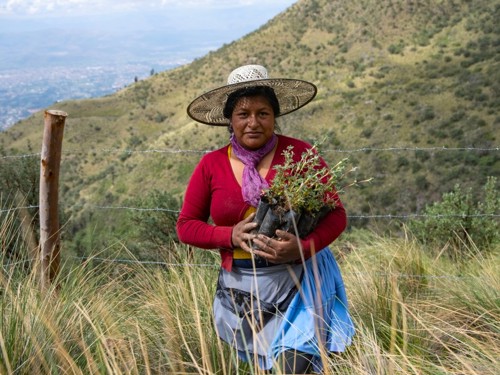
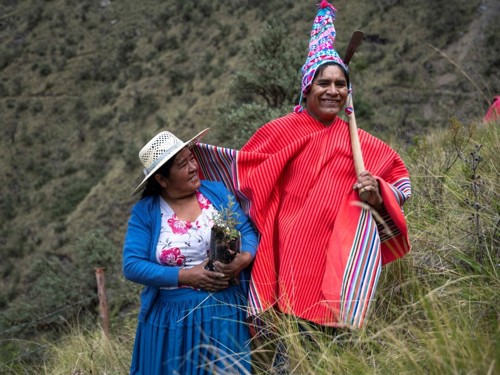
Credit – Asociación Armonía.
Written by Christina Van Winkle. For more information on this Darwin Initiative Extra project DAREX014, led by BirdLife International, click here.
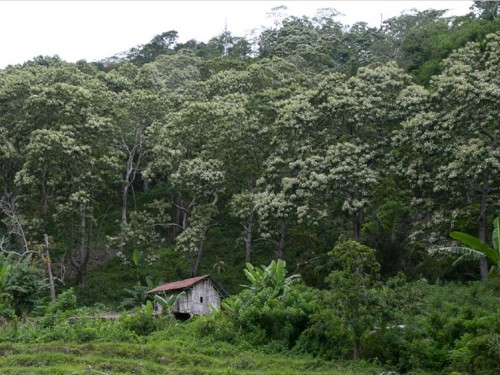 A small home sits at the edge of the forest, surrounded by a mix of candlenut and other native species, in Flores, Indonesia. Credit – Barend van Gemerden.
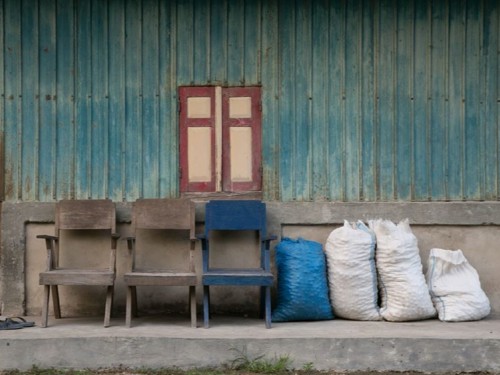 Sustainable candlenut is stored in bags before being processed into oil in Flores, Indonesia. Credit – Barend van Gemerden.