 Back
Back
Economic freedom benefits wildlife
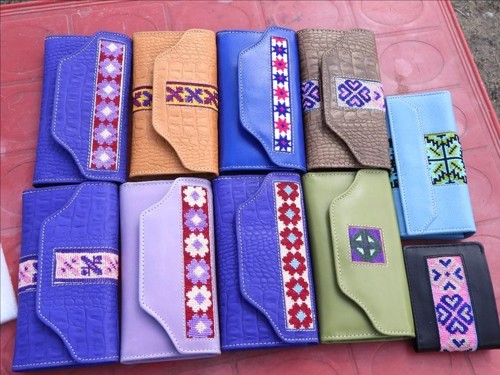
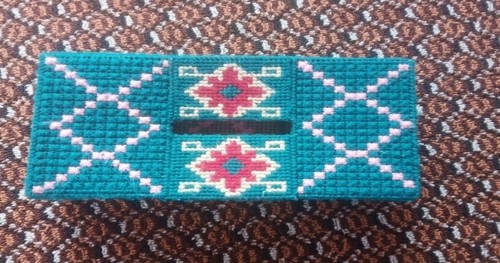
Jewellery box prototypes. Credit – SLF.
Empowering women, protecting snow leopards: A climate resilience story from Northern Pakistan
In the remote valleys of northern Pakistan, snow leopards roam across rugged high-altitude landscapes where local communities depend heavily on livestock, natural resources, and fragile mountain ecosystems for their livelihoods. However, these communities are facing growing uncertainty about their income, food security, and future economic stability. Climate change is intensifying these challenges by disrupting traditional livelihoods, increasing human–wildlife conflict, and placing both biodiversity and local economies at risk.
Yet an innovative initiative is demonstrating how conservation and community empowerment can strengthen climate resilience. The Snow Leopard Enterprises (SLE) programme, implemented by the Snow Leopard Foundation (SLF), is transforming lives while helping protect one of the world’s most vulnerable species. The programme empowers women through handicraft training and sustainable income opportunities, addressing key resilience areas including livelihood security, reduced conflict with wildlife, preservation of cultural heritage, and protection of fragile mountain ecosystems.
Gilgit-Baltistan’s mountains have hosted snow leopards for millennia, but recent changes have intensified pressures. Climate shifts degrade habitats, reduce prey, and upset agropastoral systems that communities depend on. Women, central to farming, livestock care, and household economies, feel these impacts most acutely. In valleys like Ghulkin, Chipurson, Yaseen, Darkut, Thoi, Naz Bar, and Qurumbar, farmland is limited and pastures are seasonal. Snow leopard predation on livestock causes heavy losses, breeding resentment and retaliatory killings. This cycle harms families and threatens conservation, and without alternatives and effective interventions, communities grow more vulnerable to climate risks, while snow leopards edge closer to extinction.
Recognising that conservation needs community buy-in, SLF created SLE. This programme merges wildlife protection with livelihood support, designed for climate uncertainty and long-term viability. The programme builds on women’s traditional handicraft skills, turning them into reliable income through training and market links. This reduces reliance on vulnerable livestock economies and fosters wildlife-friendly attitudes.
From 2023 to 2025, SLE trained 105 women artisans across 7 valleys. A baseline survey of 176 women identified skills, gaps, and needs, ensuring targeted, effective training.
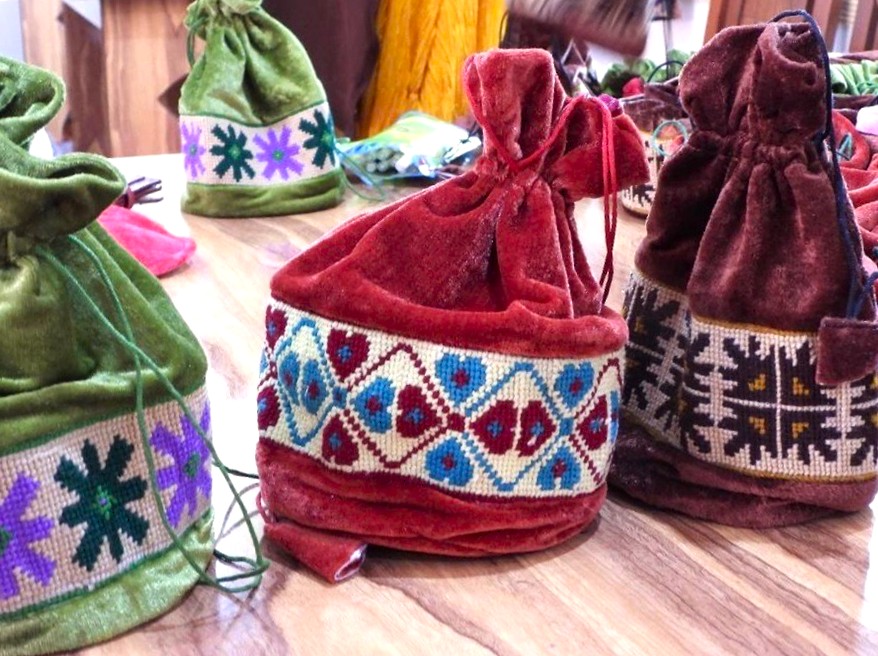
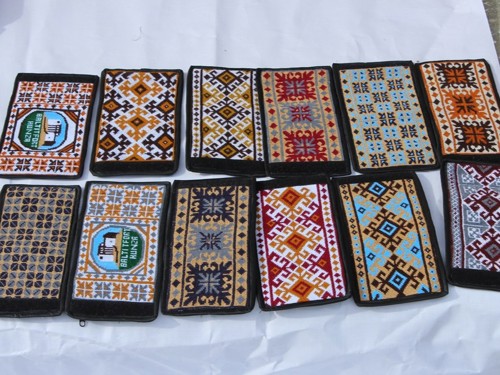
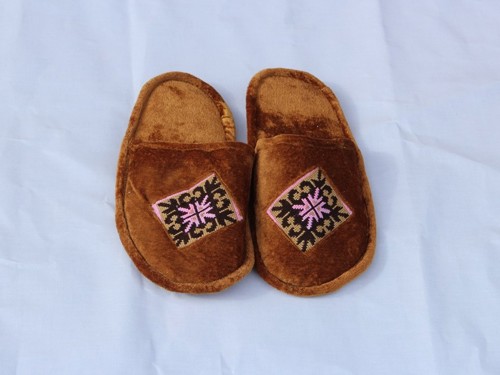
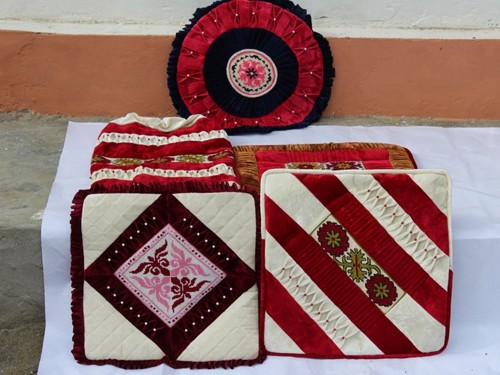
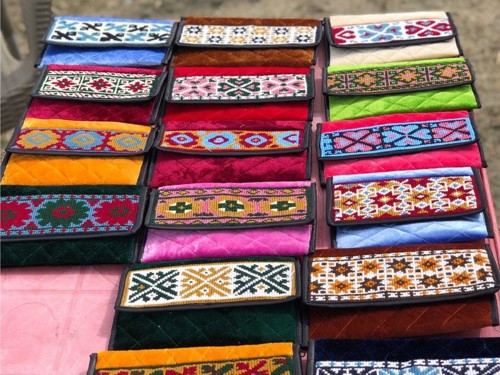
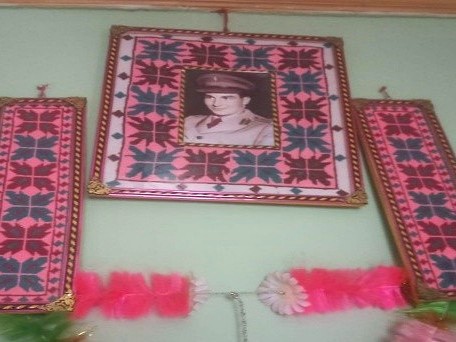
SLE’s programme develops technical and business abilities. Five fifteen-day sessions, plus a refresher, taught high-quality handicraft production. Focus products included: cushions and covers with traditional embroidery; women’s shoulder bags and purses; wallets for men and women; jewellery boxes; carpet shoes; women’s caps, and decorative embroidery strips.
Led by consultants Bibi Nahida and Nargis, with Asifa Khatoon’s support, sessions blended heritage techniques with modern designs for market appeal and cultural preservation.
Key achievements
- 105 women artisans trained
- 5 training sessions conducted
- 7 product categories developed
Pre-training, 176 surveyed women collectively earned 451,050 Pakistani rupees (PKR) (£1,200) annually from handicrafts. Post-training follow-ups with 93 of the 105 artisans showed strong gains: 61 active producers earned 2,167,500 PKR (£5,770) total annually, averaging about 23,688 PKR (£63) per woman per year.
Farzana Bibi from Thoi Valley started with zero handicraft income before her June 2023 training. In 1.5 years, she earned 150,000 PKR (£400) making cushion covers, photo frames, tissue boxes, and embroidery strips. Similarly, Haseen Bibi earned 150,000 PKR (£400) and Zulaikha Bibi 100,000 PKR (£266), gaining economic independence and family stability.
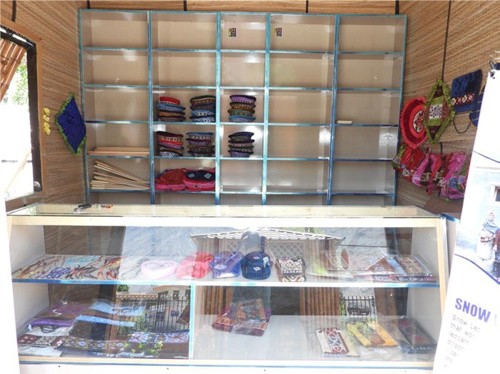
Training alone isn’t enough, and SLF built supporting systems. A retail outlet in Gilgit’s Gems and Handicrafts Market offers direct sales access, managed by a female representative who handles vendor coordination for steady income. In Qurumbar Valley, SLF set up 2 vocational centres with 22 sewing machines for ongoing training, production, and intergenerational skill-sharing, adapting traditions to modern demands.
SLE’s benefits go beyond economics to tackle the roots of human-wildlife conflict. Women manage livestock and bear predation’s emotional and financial burden, often leading to anti-wildlife views. Handicraft income diversifies livelihoods, vital as climate makes farming and herding unreliable. Trainees also learn snow leopard ecology, conservation value, and SLF tools like predator-proof corrals, vaccinations, and compensation schemes. This creates positive cycles: economic freedom boosts wildlife tolerance; awareness turns communities into conservation partners; and healthy ecosystems sustain people and nature.
Pathways to climate resilience
SLE strengthens resilience through:
- Livelihood diversification — reducing climate vulnerability in agriculture and livestock
- Women’s empowerment — enabling adaptation and household investment
- Biodiversity conservation — curbing conflict to protect snow leopards, prey, and ecosystem services
- Cultural preservation — sustaining knowledge that helps communities thrive in harsh mountains
- Community cohesion — fostering support networks for collective adaptation
Snow Leopard Enterprises proves effective resilience strategies must tackle interconnected issues. By linking women’s empowerment, sustainable livelihoods, and conservation, SLE generates amplified benefits. As climate reshapes mountains, SLE offers lessons: understand local realities, leverage existing skills and culture, secure markets and infrastructure, and commit long-term to people and nature. Gilgit-Baltistan’s women artisans are active change-makers, forging resilient futures while guarding mountain biodiversity. Their stories show conservation and development can reinforce each other for mutual benefit. In an era of climate uncertainty, SLE confirms that investing in women, heritage, and biodiversity forms interconnected paths to a resilient, sustainable world.
A major milestone for the SLE programme has been achieved: handmade products from Pakistani communities, including yak fibre doormats, embroidered wallets, velvet clutches, and shoulder bags, are now proudly displayed and sold in the Snow Leopard Trust's online shop. These unique items, crafted by skilled women artisans in northern Pakistan's snow leopard habitats, blend traditional techniques with sustainable materials. Featured prominently among bestsellers, they generate vital income for families while directly supporting conservation efforts. This successful online presence marks a huge achievement, expanding global reach for SLE's livelihood initiatives, reducing human-wildlife conflict, and funding snow leopard protection. Every purchase helps build resilient communities and safeguards endangered big cats.
Written by Faheem Akhtar, Hussain Ali, and Tayyub Shahzad. For more information on this Darwin Initiative Main project 32-006, led by Snow Leopard Foundation - Pakistan, click here.
Credit – SLF.