 Back
Back
Hidden cats of the Himalaya
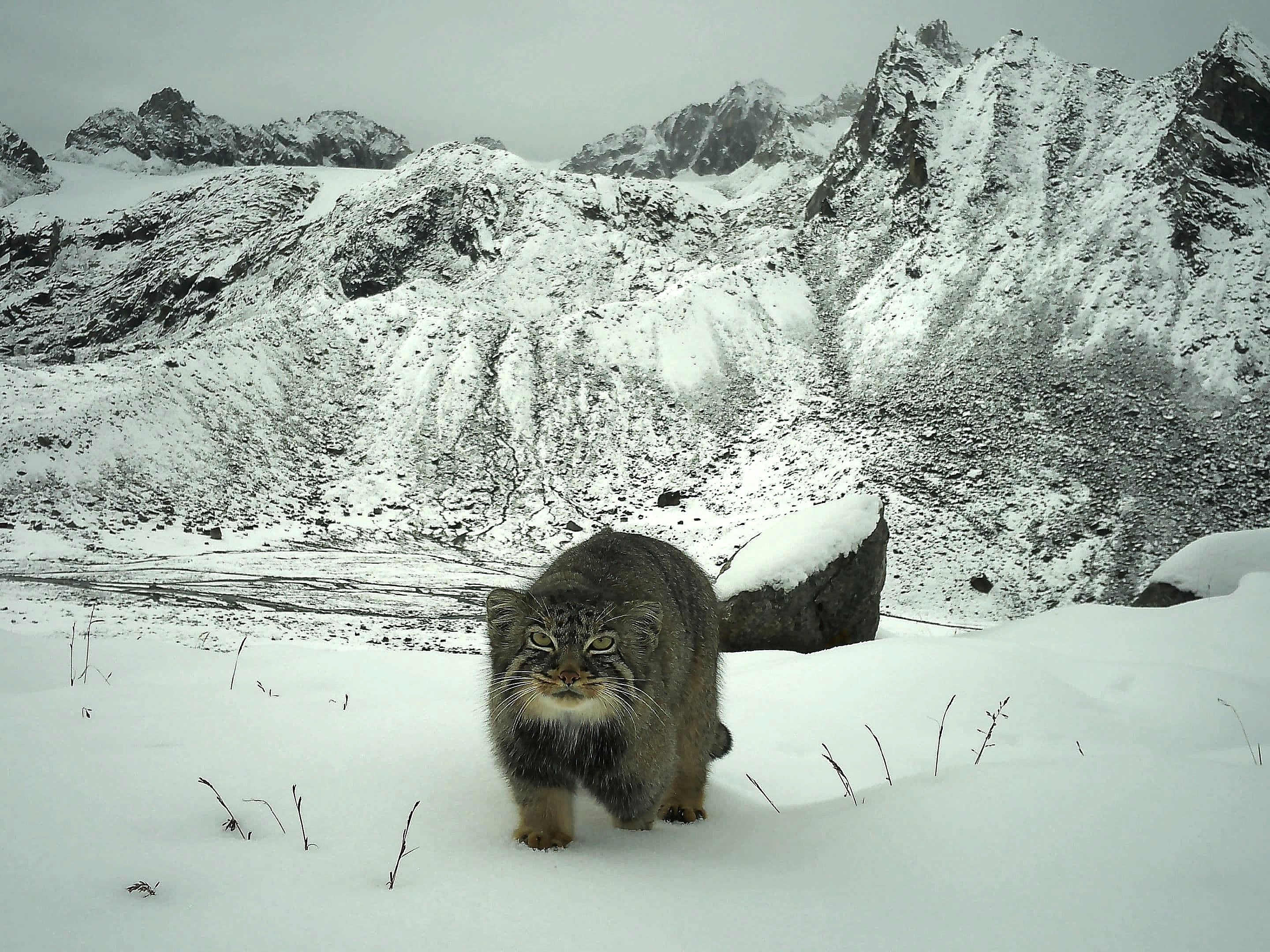
The first-ever photographic evidence of the Pallas’s cat (Otocolobus manul) record from Arunachal Pradesh. Credit - Pemba Tsering Romo, Pasang Tsering, Tenzin Tsering, and Taku Sai.
Camera traps reveal remarkable carnivore diversity in the high Himalaya
High in the alpine rangelands of India’s eastern Himalaya mountain range, researchers have captured the first confirmed photographic evidence of the elusive Pallas’s cat (Otocolobus manul) in Arunachal Pradesh. The discovery extends the known range of this mysterious mountain cat across the Himalayan arc and highlights how much remains to be learned about wildlife in some of the world’s most remote mountain ecosystems.
This finding emerged from a large-scale wildlife monitoring effort, implemented by WWF-India in partnership with local communities and the Department of Environment, Forest, and Climate Change of Arunachal Pradesh. This project aimed to strengthen both ecological knowledge and community-led conservation in high-altitude rangelands.
Beyond documenting a rare species, this research highlights the remarkable biodiversity of Himalayan alpine ecosystems, and demonstrates how scientific research and traditional pastoral knowledge can work together to improve understanding of fragile mountain landscapes.
Credit - Taku Sai.
Surveying one of the Himalaya’s least explored ecosystems
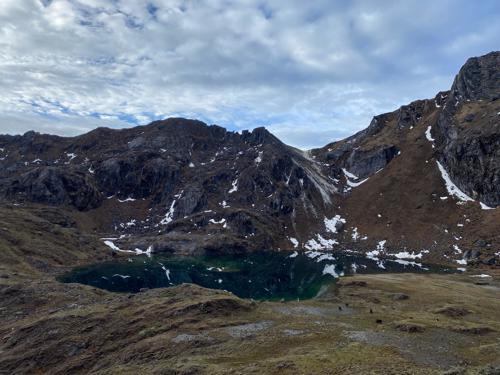
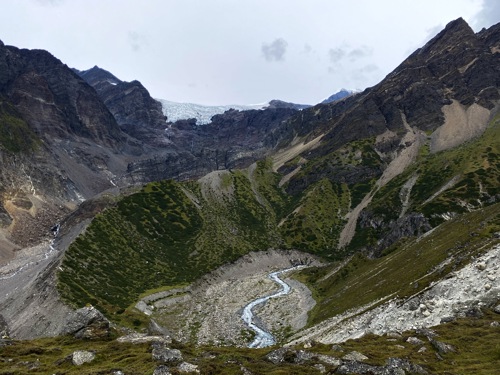
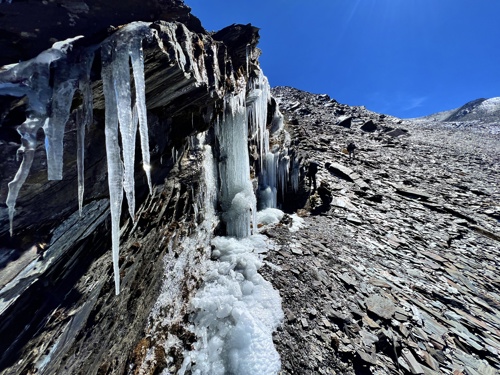
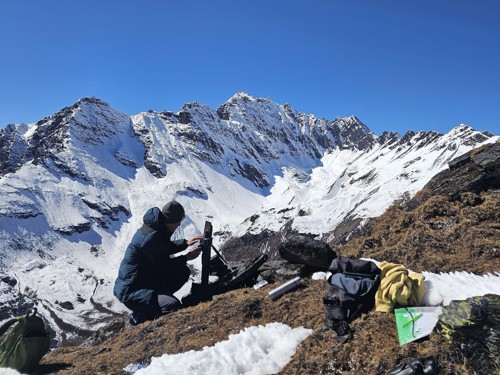
The study was conducted in the alpine rangelands of Tawang and West Kameng districts in Arunachal Pradesh, a landscape where the eastern Himalaya meets the Tibetan Plateau. These high-altitude environments lie between roughly 4,000 m and 5,500 m above sea level and are characterised by alpine meadows, rocky ridges, dwarf rhododendron scrub, and glacial moraines (debris that accumulates at the bottom of a glacier).
Despite their ecological importance, these rangelands remain among the least studied ecosystems in the Himalaya. Their remoteness, extreme weather, and rugged terrain make long-term ecological monitoring particularly challenging.
To better understand wildlife in these landscapes, researchers deployed more than 130 camera traps across approximately 2,000 km² of alpine terrain. Over the course of a year, the survey generated nearly 30,000 trap-days of monitoring effort, capturing thousands of images of wildlife that are rarely observed directly.
The survey forms part of WWF - India’s Trans-Himalayan Rangeland Programme, which combines ecological research with community-based conservation initiatives aimed at strengthening sustainable pastoral livelihoods and protecting mountain biodiversity.
A rare and elusive mountain cat
Among the thousands of wildlife photographs collected during the survey, there were two images that immediately caught the attention of researchers.
The photographs showed a Pallas’s cat, a small but charismatic wild cat adapted to the cold, open landscapes of Central Asia and the Tibetan Plateau. The species was recorded at elevations of 4,996 m and 4,773 m, representing the first confirmed photographic record of Pallas’s cat in Arunachal Pradesh.
Pallas’s cats are notoriously difficult to detect in the wild. Their dense fur, flattened face, and compact body allow them to blend almost perfectly into rocky terrain. Combined with their secretive behaviour and naturally low population densities, this camouflage makes sightings extremely rare.
Until now, confirmed records of the species in the Indian Himalaya were largely limited to Ladakh, Himachal Pradesh, Uttarakhand, and Sikkim. This new discovery fills an important gap in the species’ known distribution and suggests that Pallas’s cats may occur more widely across the Himalayan alpine belt than previously recognised.
Six wild cat species in a single landscape
The survey revealed something even more remarkable: six different wild cat species occurring within the same high-altitude landscape.
Camera traps recorded snow leopard (Panthera uncia), common leopard (Panthera pardus), clouded leopard (Neofelis nebulosa), marbled cat (Pardofelis marmorata), leopard cat (Prionailurus bengalensis), and Pallas’s cat.
All six species were detected in alpine rangelands above 4,200 m, highlighting the exceptional carnivore diversity supported by these high mountain ecosystems.
The snow leopard, one of the Himalaya’s most iconic species, was the most frequently recorded carnivore and was detected at 45 camera-trap locations across the study area.
Several of these observations also extended the known ecological limits of other cats. Clouded leopards - typically associated with forested habitats - were recorded at elevations of 4,650 m, among the highest altitudes documented for the species. Marbled cats and leopard cats were also detected far above their previously known elevation ranges.
These findings suggest that Himalayan alpine rangelands may play a far greater role in supporting carnivore communities than previously understood.
Communities at the heart of conservation
A key factor behind the success of the survey was close collaboration between researchers and Brokpa pastoralist communities who have lived in these high mountain landscapes for generations.
Local herders helped identify wildlife movement routes, assisted with camera trap placement, and supported monitoring efforts across remote grazing grounds. Their knowledge of the landscape proved invaluable for conducting research in such challenging terrain.
Many of the survey areas fall within community conserved areas, where local institutions manage grazing lands and actively protect wildlife.
This collaboration demonstrates how conservation science and traditional pastoral knowledge can work together to strengthen biodiversity monitoring, while supporting sustainable livelihoods in mountain ecosystems.

Credit - Rishi Kumar Sharma.
Supporting nature and people in the Himalaya
The work forms part of the project ‘Reviving Trans-Himalayan Rangelands – A Community-led Vision for People and Nature’, which aims to strengthen ecological research, promote community-led conservation, and support sustainable pastoral livelihoods in high-altitude ecosystems.
Discoveries such as that of the Pallas’s cat highlight how much remains to be learned about wildlife in the Himalayan rangelands. They also underline the importance of long-term monitoring in these remote mountain landscapes.
As pressures from climate change and land-use shifts grow across the Himalaya, strengthening partnerships between local communities, researchers, and conservation organisations will be critical for safeguarding these ecosystems.
With continued collaboration, these fragile rangelands can continue to support both exceptional wildlife and the pastoral cultures that have shaped these landscapes for generations.
Written by Taku Sai, WWF - India. For more information on this Darwin Initiative Main project 30-018, led by Worldwide Fund for Nature (WWF) - UK, click here.